|
Up Coming Tours, 2008/2009
TANZANIA
March Tanzania Birding Safari
May Tanzania Birding Safari
June Tanzania Birding Safari
October Tanzania Birding Safari
December Tanzania Birding Safari
Tanzania boasts a large number of unusual and
endemic bird species, and a list which nearly equals that of neighboring
Kenya. We shall visit the famous northern parks, as well as areas of
endemism, which include the Usambara, Udzungwa and Uluguru Mountains,
and the Kilombero floodplain, where several new species have been discovered
in the last twenty years.We begin with a daytime flight to Arusha, where
we settle in to our hotel.
After a little local birding, we set off
to Arusha National Park, where we should find several bird species,
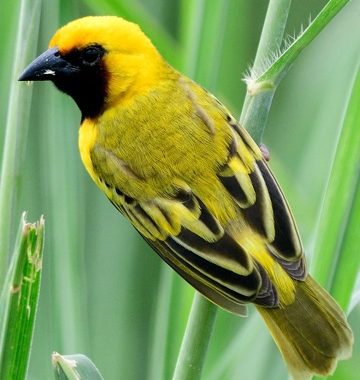
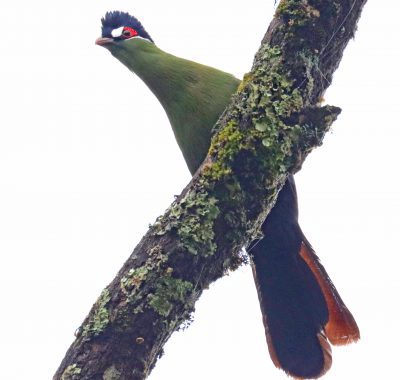
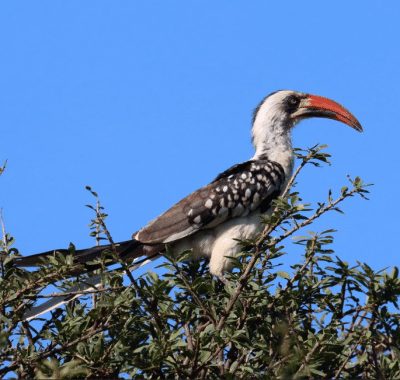
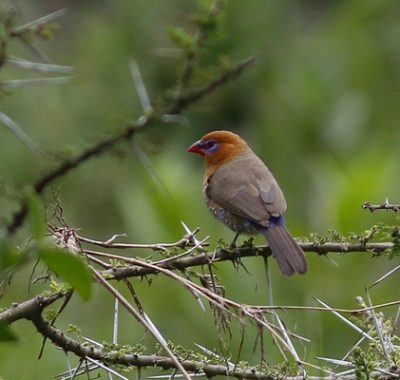
including Taveta Golden Weaver, Crowned Eagle, Hartlaubs Turaco, Silvery-cheeked
Hornbill, Retzs Red-billed Shrike and Brown-breasted Barbet.We next
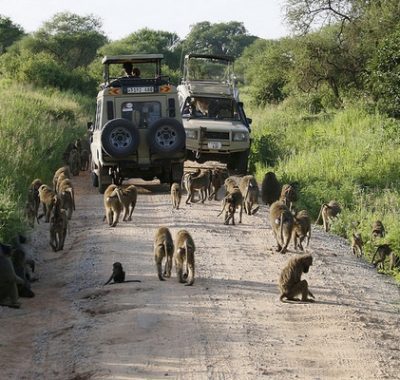
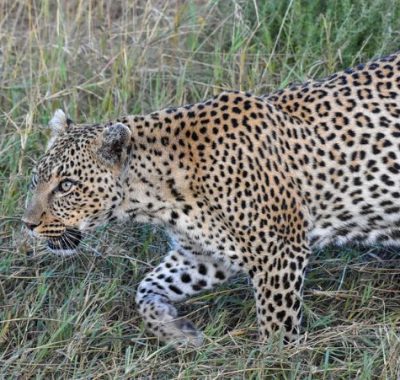
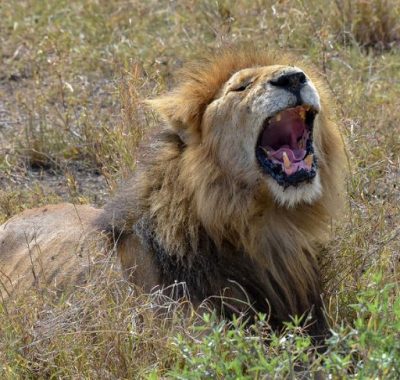
carry out a circuit of the famous northern game parks. These are famous
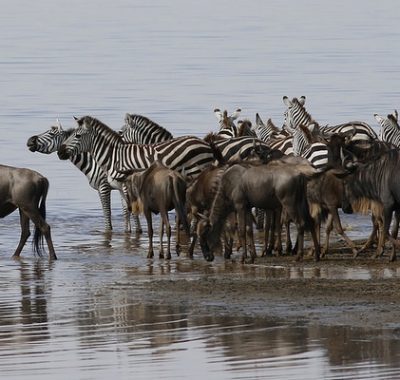
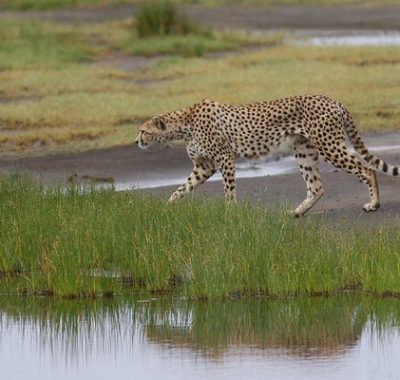
for their high densities of large mammals, including healthy populations
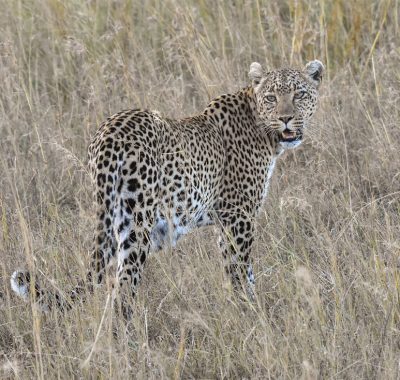
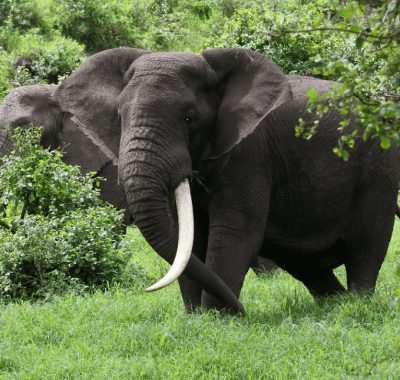
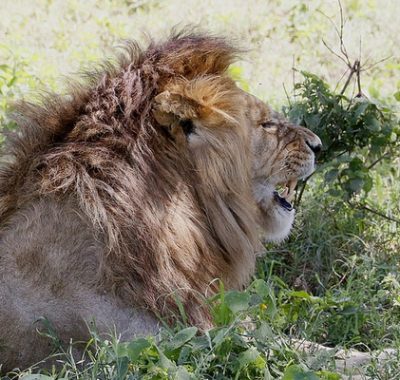
of Lion, Cheetah, Elephant and Black Rhino, as well as several gazelles
and others.
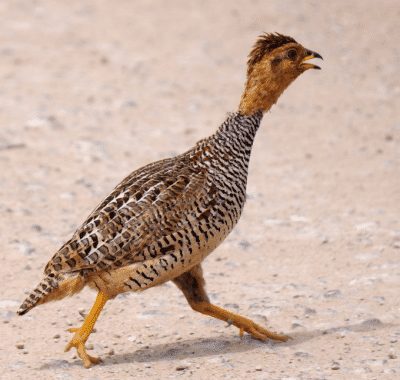
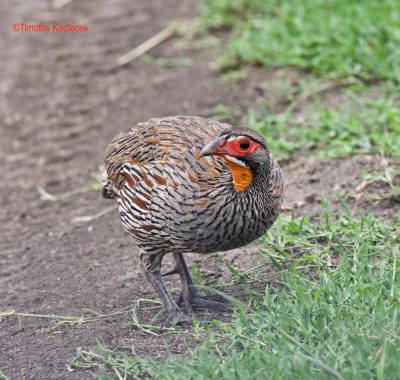
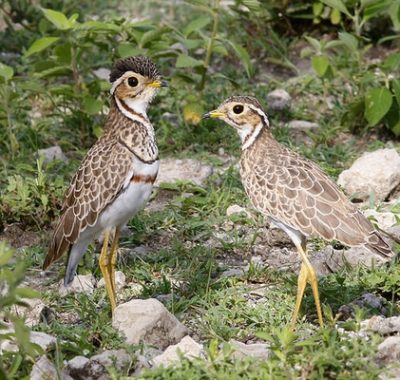
Birdlife is also profuse; from the endemic Grey-breas! ted
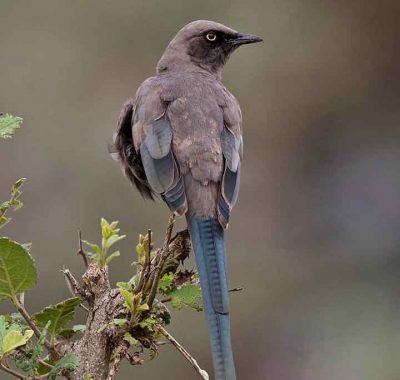
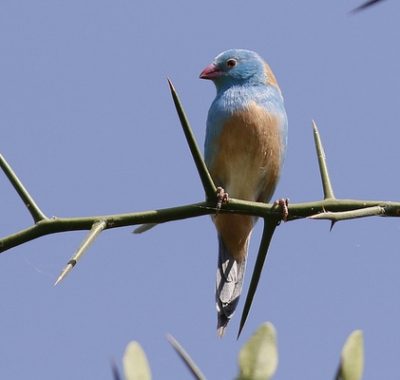
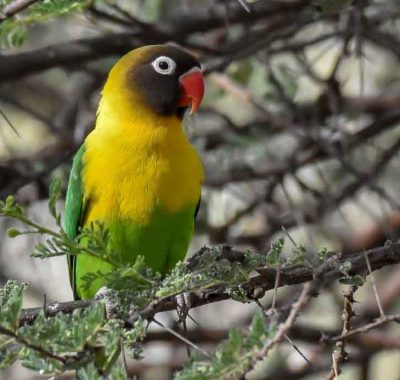
Spurfowl, Fischers and Yellow-collared Lovebirds, Rufous-tailed Weaver
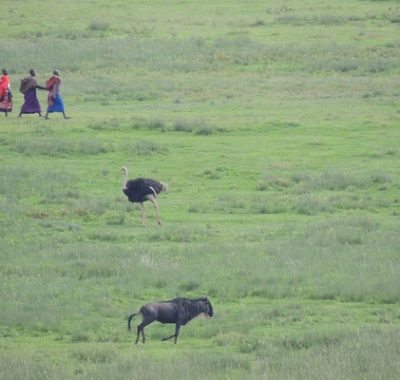
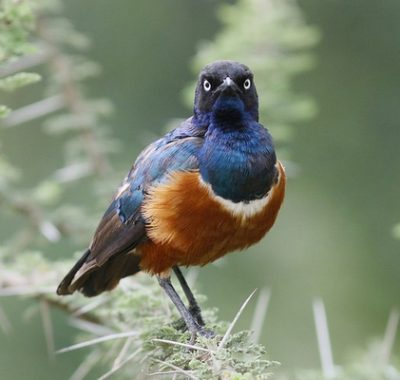
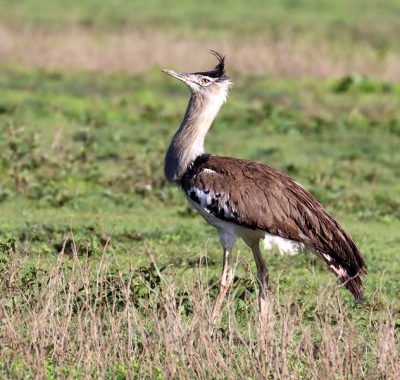
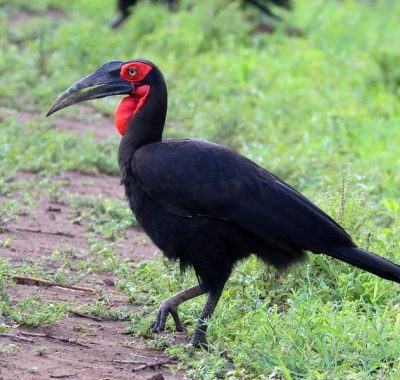
and Ashy Starling; to Ground Hornbill, Ostrich, Usambiro and Crested
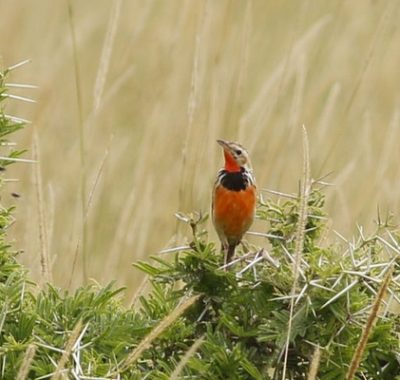
Barbets, Schalows Turaco, Magpie Shrike, Rosy-breasted Longclaw, and
numerous Larks and Cisticolas. Lake Manyara is also home to thousands
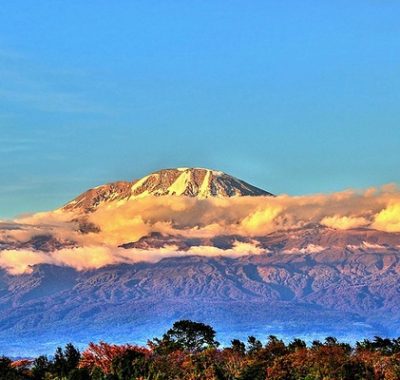
of Lesser Flamingo. After skirting the southern slopes of Mt. Kilimanjaro,
we reach the Usambara Mountains.
These mountains are bedecked with numerous
plantations, but the areas of extant forest hold several endemics, and
rare species. These include; Sharpes and Usambara Akalats, Spot-throat,
Usambara Eagle Owl, Kretschmers Longbill, Red-capped Forest Warbler,
Usambara Weaver, and Banded Green Sunbird Following from here, we will
visit the Uluguru and Udzungwa Mountains.
Here, we find the newly discovered
Rufous-winged Sunbird and Udzungwa Forest Partridge, along with numerous
other endemics and rarities, including Loveridges Sunbird, Uluguru
Bush-shrike, Mrs. Moreaus Warbler, Bertrams Weaver, Swynnertons Robin,
Chapins Apalis.Whilst in the area, we will take the opportunity of
visiting the Kilombero floodplains, near Ifakara, where three endemics
were recently discovered, Kilombero Weaver, and Kilombero and Melodious
Cisticolas.
We will also visit Mikumi National Park, where we hope to
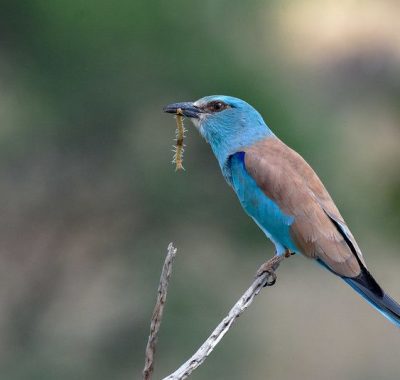
see Boehms and Swallow-tailed Bee-eaters, Racket-tailed Roller, Pale-billed
Hornbill and Miombo Rock Thrush, and Hunting Dog is a possibility. Finally,
we head to Dar-es-Salaam, where we should add a few shore and seabirds
to our list before we have to head home.
Please note that:
*** Each day will begin with either an optional bird walk in the hotel
grounds at 0630, followed by an 0700 or 0730 breakfast, or, where an
early breakfast is indicated, this is at 0630, and we hope to get moving
by 0700 – 0730. In most forest areas, we will opt for the early breakfast,
and hope to start birding by 0730, as prior to this, the birds dont
move much, as it is dark in the understorey. Daylight hours are 0630
– 1900, and for safety reasons, we try to avoid driving after dark wherever
possible.
***Accommodations are generally very good, with attached bathrooms,
but there are shared facilities in some of the forest areas and the
south, where accommodation is clean and comfortable, and generally the
best available in the location.
***Exact times of arrival and departure usually depend upon how good
birding is before departure from an area. We will endeavor to take lunch
between 1300 and 1400, which will often be a packed lunchbox, although
again, this will! vary with location, as it is always better to take
lunch with birding around.
***In the evening, the meal will usually be at about 1930-2000, and
the tour leader will run through a log of the days birds either before
or after this for those who are interested.
Also available on private/ anytime departure for individuals,families and groups with private guiding.
|